
Summary
Choosing between nursing homes and assisted living communities depends on your loved one's medical needs and lifestyle preferences. Assisted living offers personal care support and social engagement for those who don't require intensive nursing services, while skilled nursing provides 24-hour medical supervision for complex health conditions.
- Assisted living emphasizes daily task help and personal choice; skilled nursing focuses on medical treatment and rehabilitation.
- Assisted living typically costs less than skilled nursing due to lower medical service requirements.
- Assisted living works well for residents needing bathing, dressing, or medication reminders without continuous nursing oversight.
- Visiting communities and discussing personalized support options helps families make informed decisions about the best fit.
Choosing the right senior living arrangement for yourself or a loved one is an important decision. Understanding the difference between nursing home and assisted living helps families find support that fits their loved one's health needs, personal preferences, and daily routines.
Although both options provide support for older adults, they serve different purposes. Knowing the key nursing homes vs. assisted living differences can help you make a more informed decision about the next chapter.
Level of Care: Understanding the Key Differences
The biggest difference between assisted living and skilled nursing is the level of medical support provided.
Skilled nursing communities offer 24-hour nursing services for individuals with more complex medical needs. These settings may be appropriate for someone recovering from surgery, requiring wound care, or managing a condition that needs ongoing medical attention.
Assisted living communities focus on helping residents with everyday tasks while encouraging personal choice and familiar routines. Support is based on individual needs and may include:
- Personal care: Assistance with bathing, grooming, dressing, and other daily routines.
- Medication support: Reminders or medication management based on individual requirements.
- Daily assistance: Help with mobility and other Activities of Daily Living (ADLs).
- Personalized support: Services that reflect each resident's preferences and changing needs.
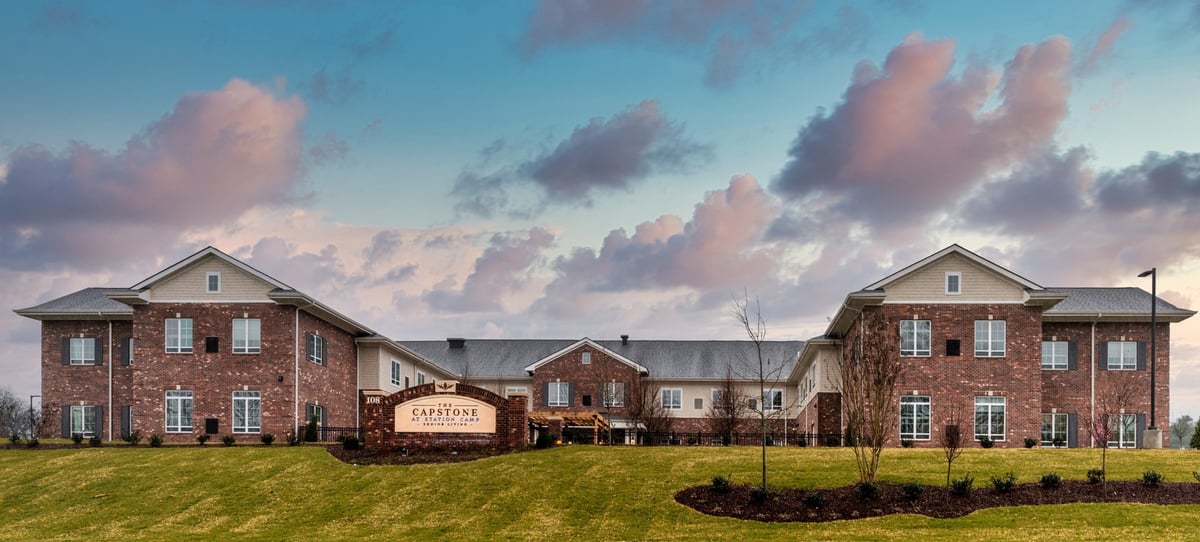
At The Capstone at Station Camp, Assisted Living provides a supportive community setting for older adults who need help with daily routines without requiring the intensive medical services associated with skilled nursing.
Daily Life and Lifestyle Differences
Another important consideration in any senior living options comparison is what everyday life looks like.
Skilled nursing settings typically follow schedules organized around medical treatments, rehabilitation, and nursing services. Residents may participate in recreational programs, but medical needs often shape their daily routines.
Assisted living communities place greater emphasis on personal preferences, social connections, and everyday comfort. Residents can enjoy their own living spaces, participate in community events, and receive assistance when needed.
For families exploring Assisted Living in Gallatin, TN, The Capstone at Station Camp offers an opportunity to consider a lifestyle centered on personalized support and community engagement.
The community also offers SHINE® Memory Care for residents living with Alzheimer's disease or other forms of dementia. This gives families another option to explore when specialized cognitive support is needed.
When to Choose Assisted Living Over Skilled Nursing
Knowing when to choose assisted living often comes down to understanding how much support someone needs throughout the day.
Assisted living may be a good fit for an older adult who needs help with personal care but does not require continuous medical supervision. It can also appeal to someone who would benefit from regular meals, social opportunities, and fewer household responsibilities.
Consider assisted living versus skilled nursing when your loved one:
- Needs help with daily tasks: Bathing, dressing, or managing personal routines has become more challenging.
- Would benefit from medication assistance: Regular reminders or management could make daily routines easier.
- Wants more social interaction: Shared dining and community programs offer opportunities to build relationships.
- Prefers a residential setting: Personal space and familiar routines remain important.
- Does not require intensive nursing services: Medical needs can be managed without continuous skilled nursing supervision.
The Capstone at Station Camp's Assisted Living option is for residents who appreciate personalized assistance while continuing to make choices about their daily lives.
Comparing Costs and Financial Considerations
Cost is another important factor when comparing these senior living options.
Skilled nursing generally costs more because of the medical services, nursing coverage, and specialized equipment involved. Medicare may cover qualifying short-term skilled nursing stays, but it does not generally pay for long-term custodial care.
Assisted living often has lower monthly costs, although pricing varies based on apartment selection, services, and individual support needs.
Medicare generally does not cover assisted living room and board. However, certain long-term care insurance policies may help with eligible services. Medicaid assistance may also be available in some circumstances, depending on state rules and eligibility.
Before making a decision, ask each community for a detailed explanation of monthly costs, additional service fees, and payment options. Understanding what is included can help families plan with greater confidence.
Making the Transition: Planning Your Next Steps
Choosing between these options takes more than comparing services on paper. Visiting communities and asking questions can help you understand how each setting supports residents.
As you explore nursing home alternatives for seniors, consider these steps:
- Schedule community tours: Observe the atmosphere, living spaces, dining areas, and daily programs.
- Discuss support needs: Ask how assistance is personalized and what happens if those needs change.
- Review qualifications: Learn about team member training, available services, and medical support.
- Include your loved one: Encourage them to share their preferences and participate in the decision.
- Compare costs carefully: Request information about monthly fees and additional expenses.
The right choice depends on health needs, personal preferences, and the type of support that will make everyday life more comfortable.
For families in Gallatin, TN, The Capstone at Station Camp offers Assisted Living and SHINE® Memory Care options worth exploring as part of that decision.
Explore Assisted Living at The Capstone at Station Camp
Understanding the differences between nursing homes and assisted living communities is an important first step toward finding the right support.
If your loved one needs help with daily routines but does not require intensive medical care, assisted living may offer a comfortable balance of assistance, personal choice, and meaningful social connections.
Schedule a tour of The Capstone at Station Camp to explore the community, learn about available services, and discuss whether Assisted Living is the right fit for your family.