
Summary
Long-distance caregiving for aging parents requires building a support network, leveraging technology, and knowing when professional care becomes necessary. This guide helps families manage their parent's needs from afar while maintaining peace of mind.
- Conduct a thorough initial assessment during an in-person visit, checking for safety hazards, medication management, nutrition, and financial organization
- Build a local support network including trusted friends, neighbors, geriatric care managers, and professional in-home care services to provide eyes and ears nearby
- Use technology strategically—video calls, medication reminders, motion sensors, and wearable devices—to supplement regular contact without replacing personal connection
- Coordinate healthcare by maintaining relationships with physicians, joining appointments via video, and implementing careful medication management systems
- Recognize warning signs like frequent falls, missed medications, and unsafe driving that indicate a senior living community may provide better daily support than remote management allows
When you live hundreds of miles away from an aging parent, worry becomes a constant companion. You wonder if they're eating well, taking medications correctly, or quietly struggling with tasks that used to be second nature. Managing parent care from another state comes with its own set of challenges, but with the right systems in place, families can help a parent get the support they need while finding real peace of mind for themselves. If you're exploring a senior living community in Gallatin, TN, as part of that plan, this guide covers what long-distance caregiver tips actually look like in practice.
Helping a senior parent remotely takes a different approach than hands-on, in-person support. You can't be there every day, but you can build a network of local resources that keeps you connected and informed about how your parent is really doing.
Understanding What Long-Distance Care Really Involves
Coordinating senior care from afar means managing health needs, handling finances, arranging support services, and maintaining an emotional connection across the miles. According to AARP, roughly 15% of family members providing care live at least an hour away from the parent they're helping.
The first step is assessing your parent's current needs and safety. Schedule a visit to observe daily routines, check the home for fall hazards, review medications, and have honest conversations about health and finances. Look past what your parent tells you on the phone.
During that visit, pay close attention to:
- Refrigerator contents, since expired food or empty shelves say a lot
- Unpaid bills or paperwork piling up on the counter
- Changes in personal hygiene or general upkeep of the home
- Mobility challenges or safety hazards throughout the space
Write down what you find. A simple care notebook with medical information, medication lists, emergency contacts, and financial account details becomes your roadmap for the months ahead.
Finding Local Help for a Distant Parent
Building a local support network is one of the most important things you can do. You need eyes and ears near your parent who can respond quickly when something comes up. Start with family, friends, or neighbors who live nearby. Even a weekly visit from someone you trust can surface small problems before they turn serious.
Professional resources can fill in the rest. A geriatric care manager can assess needs, coordinate services, and act as your local point of contact. In-home care agencies can help with daily support like bathing, meal preparation, and medication reminders. Area Agencies on Aging offer free consultations and can connect families to services in the community, and local senior centers provide social programs that help combat isolation. Many families find that just a few hours of hired help each week brings tremendous reassurance, and each connection you build adds another layer to the safety net around your parent.
Leveraging Technology for Remote Wellness Checks
Technology helps close the distance. The key is choosing tools your parent will actually use. Start simple, provide clear instructions, and make sure help is available when something doesn't work right.
Consider:
- Video calls through a smartphone or tablet, so you can see your parent's home and notice changes in appearance
- Medication dispensers with automatic reminders that alert you if a dose is missed
- Motion sensors placed discreetly around the home to flag unusual inactivity
- Wearable devices with an emergency call button for quick access to help
Technology works best when it supports real connection rather than replacing it. Use it to add to your regular calls and visits, not stand in for them.
Coordinating Healthcare From a Distance
Healthcare coordination is often the hardest part of helping a senior parent remotely. Start by building a relationship with your parent's physicians and ask about being copied on medical communications. When you can, join important appointments by video.
Keep a shared health calendar that tracks appointments, medication changes, and symptoms. Ask about portal access so you can review test results and message providers between visits. Some families also hire a professional advocate who can attend appointments in person on your behalf.
Medication management deserves special attention. Ask physicians if a once-daily medication can replace multiple doses, and use a pharmacy that offers delivery and medication synchronization so refills land on the same day each month.
Recognizing When It's Time for More Support
Even with the best systems in place, there may come a point when managing care remotely isn't enough. Watch for:
- Frequent falls or close calls
- Medication errors or missed doses
- Skipped meals or noticeable weight loss
- Unsafe driving or getting lost in familiar places
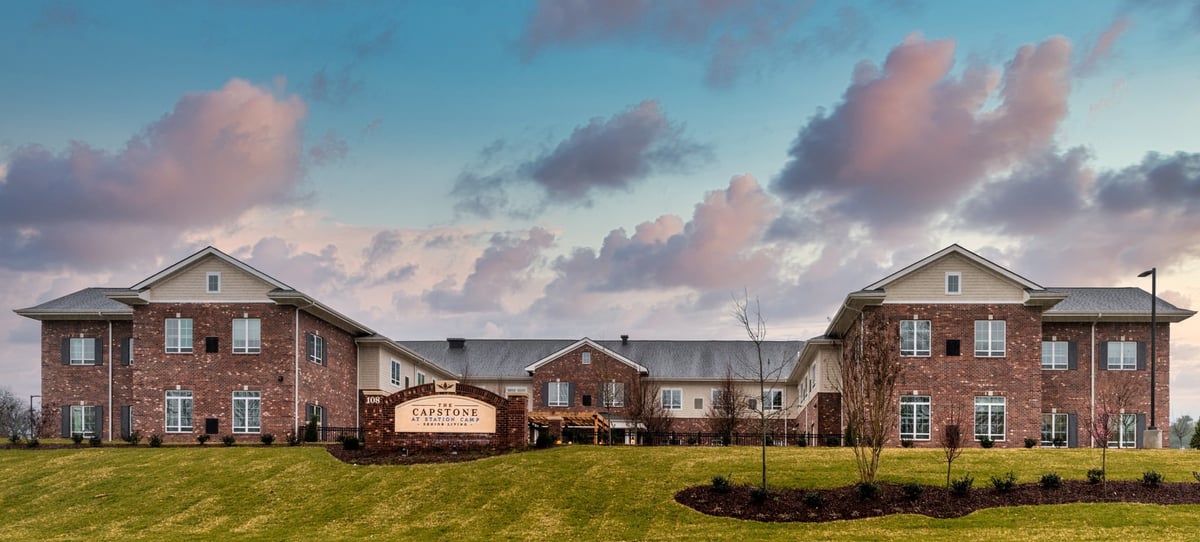
When these signs show up, a senior living community can offer a level of daily support that's hard to replicate from a distance. At The Capstone at Station Camp in Gallatin, TN, Assisted Living includes three chef-prepared meals a day, with menus that can accommodate specific dietary needs and preferences, along with weekly housekeeping and scheduled transportation to appointments and errands. For families dealing with dementia, Memory Care at our community focuses on structured routines, trained staff, and secure indoor and outdoor walking paths, all within a setting that still feels like home.
Beyond daily support, residents have access to a full slate of senior living programs, from health and fitness options to community outings around Gallatin and nearby Hendersonville. Families weighing memory care specifically can find more detail in our dementia and Memory Care resources. With a bistro lounge, sunroom, landscaped walking trails, gardens, and a pet-friendly dog park, there's plenty of room for residents to spend the day exactly how they want to.
A Few Common Questions
How often should I visit if I live far away? There's no fixed rule, but many families aim for an in-person visit every few months, paired with regular video calls in between so changes don't go unnoticed.
What if my parent doesn't want to use a tablet or medical alert device? Start with the simplest option and frame it around something they already value, like staying in touch with grandchildren, rather than presenting it as a safety measure alone.
How much does a geriatric care manager typically handle? Most will do an initial needs assessment, then coordinate ongoing services and act as your point of contact for questions or concerns as they come up.
When should I start looking into senior living for a parent living alone? It's worth starting the conversation before a crisis forces the decision. Touring communities early gives your family time to choose thoughtfully instead of reacting under pressure.
Moving From Managing Logistics to Meaningful Time Together
The shift to a senior living community doesn't mean stepping back from your parent's life. It means trading logistics and worry for actual time together. Long-distance caregiving for aging parents becomes less about managing crises from afar and more about the relationship itself. If you'd like to see what daily life looks like at The Capstone, schedule a tour and come experience the community in person.