Summary
Memory care programs slow cognitive decline by combining cognitive stimulation, physical movement, and social connection to support everyday functioning and quality of life. While specialized programs cannot stop dementia progression, they help preserve abilities and meaningful engagement through structured, personalized approaches.
- Cognitive stimulation through music, art, and reminiscence sessions encourages residents to use familiar skills and connect emotionally.
- Regular physical movement supports mobility, sleep, mood, and overall wellness through adapted exercises and activities.
- Social interaction and smaller gatherings help residents living with dementia maintain relationships and a sense of belonging.
- Programs adapt activities as cognitive needs change, shifting from complex tasks to simpler, more comfortable options.
- Sensory experiences like familiar music, textures, and interactive light projections provide comfort when verbal communication becomes difficult.
When a loved one experiences memory loss, families often wonder whether specialized programs can help preserve cognitive abilities. While memory care cannot stop dementia progression, structured engagement, movement, and social connection can support everyday functioning and quality of life.
Understanding how these programs work can help families choose support that respects their loved one's abilities, interests, and changing needs.
How Cognitive Stimulation Supports Memory Care
Cognitive stimulation in memory care encourages residents to use familiar skills, explore interests, and engage with their surroundings. Although research continues into its long-term effects, meaningful engagement can support emotional well-being and everyday cognitive functioning.
Common memory care activities for dementia include:
- Music programs: Familiar songs may encourage recognition, conversation, and emotional connection.
- Art projects: Painting and crafts provide opportunities for creativity and self-expression.
- Reminiscence sessions: Photographs, familiar objects, and storytelling encourage residents to revisit meaningful experiences.
These therapeutic memory care approaches focus on what residents can still enjoy rather than what has become difficult.
The benefits of meaningful cognitive engagement are an important consideration when evaluating specialized programs. Consistent routines also provide familiarity and reduce the uncertainty that sometimes accompanies cognitive changes.
Physical Movement and Brain Health
Physical movement is another important part of how memory care helps brain health. Appropriate exercise can support mobility, sleep, mood, and overall wellness.
Programs may include:
- Supervised walks suited to individual mobility
- Chair exercises and gentle stretching
- Balance exercises that support stability
- Dancing or movement accompanied by familiar music
The goal is comfortable, consistent participation rather than physical achievement.
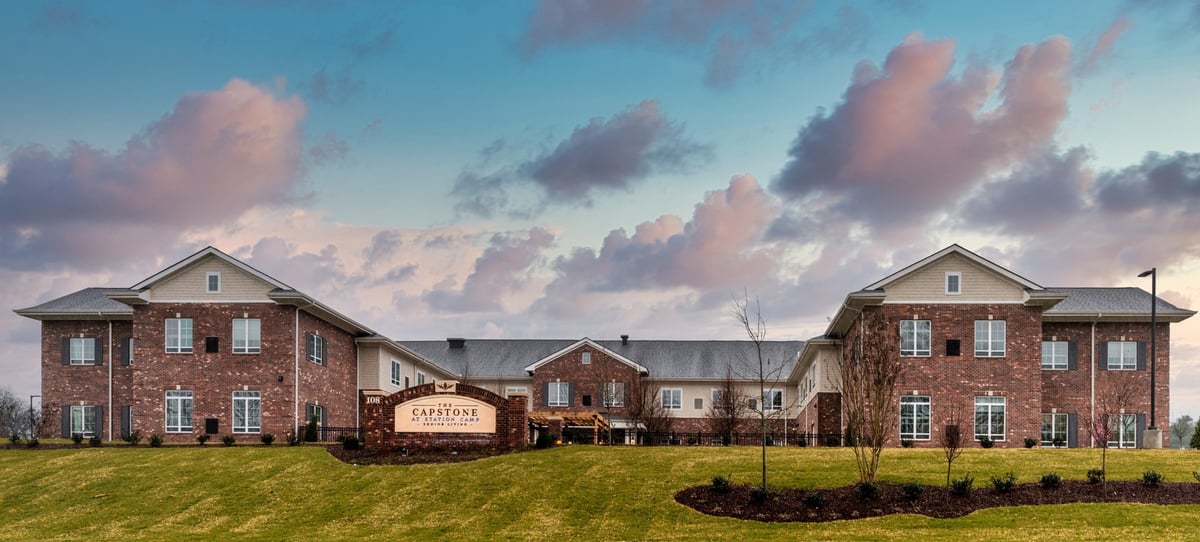
At The Capstone at Station Camp in Gallatin, Tennessee, the community's senior living programs include wellness opportunities and organized events. Families can ask how these offerings are adapted to meet the needs of residents in Memory Care.
Why Social Connection Matters in Memory Care
Social interaction provides companionship and opportunities to communicate, share experiences, and maintain relationships.
For residents living with dementia, smaller gatherings may feel more comfortable than large, busy events. Depending on individual preferences, meaningful engagement might involve:
- Conversations about familiar interests
- Collaborative art or gardening projects
- Music gatherings and shared celebrations
These experiences provide more than entertainment. They encourage participation and help residents maintain a sense of belonging.
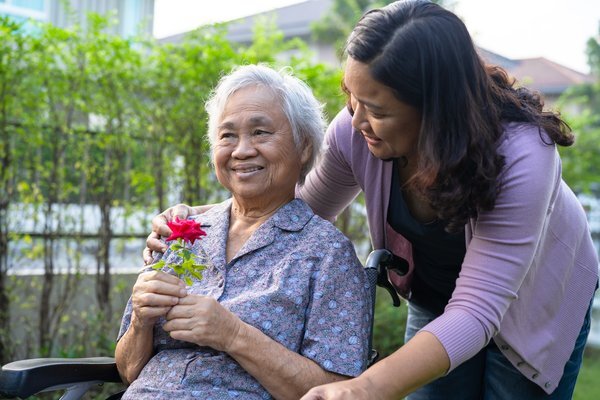
Family visits also remain important. Even when someone experiences memory changes, the emotional connection can still be meaningful.
Personalized Memory Care That Changes With Individual Needs
One of the specialized dementia programs benefits is the ability to adapt engagement as cognitive needs change.
A resident who previously enjoyed complicated puzzles might prefer matching games or sorting familiar objects. Someone who loves cooking may enjoy mixing ingredients, setting a table, or discussing favorite recipes.
The importance of adapting familiar activities becomes especially clear as dementia progresses. Programs should remain enjoyable without creating unnecessary frustration.
The Capstone at Station Camp offers SHINE® Memory Care, a personalized program whose curriculum has received national recognition from the Alzheimer's Association®.
Its approach incorporates six foundational elements: resident customization, dining experiences, life engagement, family collaboration, team training, and environmental support.
These elements help team members understand each resident's background, preferences, and daily support needs while encouraging meaningful participation.
Sensory Engagement and Supportive Environments
Sensory experiences can provide comfort and opportunities for connection, particularly when verbal communication becomes difficult.
Programs may incorporate familiar music, textured materials, visual art, and calming scents. These experiences can encourage engagement without requiring complex instructions.
Environmental details matter, too. Familiar surroundings, clearly defined spaces, and predictable routines can make daily experiences easier to understand.
The Capstone's SHINE® Memory Care program also features Tovertafel, an interactive light-projection system that encourages residents to participate through movement and responsive images.
This type of hands-on engagement illustrates how sensory programs can offer meaningful experiences for people with different cognitive abilities.
Choosing the Right Memory Care Program
Families exploring memory care should consider how a community approaches personalized engagement, communication, and changing support needs.
During a visit, useful questions include:
- How are programs adapted to each resident's interests and abilities?
- What training do team members receive?
- How are families involved in planning and communication?
- What happens when a resident's needs change?
Specialized memory care cannot guarantee slower cognitive decline. Its value lies in creating opportunities for connection, comfort, and purposeful engagement as residents' needs change over time.
For families exploring memory care in Gallatin, schedule a tour of The Capstone at Station Camp to discover how SHINE® Memory Care combines cognitive stimulation, sensory engagement, and personalized programs to support your loved one's daily well-being and quality of life.