
Summary
You can afford assisted living without selling your house through strategic planning, understanding your complete financial picture, and exploring options like home equity strategies and alternative payment resources. With careful budgeting and professional guidance, keeping your property while accessing the care and community you need is realistic for many families.
- Review Social Security, pensions, savings, investments, long-term care insurance, and veterans benefits to determine available income.
- Consider home equity lines of credit, rental income, or reverse mortgages to access property value while maintaining ownership.
- Explore Medicaid programs, life insurance benefits, and other assistance that may help cover assisted living costs.
- Calculate homeownership expenses against community monthly rates to create a realistic, sustainable budget for both.
- Work with financial advisors, elder law attorneys, and tax professionals to evaluate payment scenarios specific to your situation.
Many families wonder if they can afford assisted living without selling their house. The good news is that keeping your property may be possible with thoughtful planning and a clear understanding of your finances. Maintaining homeownership can provide peace of mind, preserve a valuable asset, and offer flexibility for the future.
For families considering assisted living in Gallatin, TN, the decision starts with reviewing income, savings, home equity, and ongoing expenses. Understanding these factors can help you make a confident choice without rushing to sell your property.
Understanding Your Current Financial Picture
Before exploring senior living financial strategies, take a closer look at your available income and assets. A complete financial picture should include:
- Social Security benefits, pensions, and retirement income
- Savings, investments, and retirement accounts
- Rental income or other property-related earnings
- Long-term care insurance and applicable veterans benefits
- Annuities and other financial resources
Compare your monthly income against existing expenses to determine how much you can comfortably allocate toward assisted living.
A financial advisor or elder law attorney can help identify additional resources and explain how different decisions may affect your long-term financial security.
Leveraging Home Equity Without Selling
Your home may provide financial flexibility even if you aren't ready to sell. Several approaches allow homeowners to access property value or generate income while retaining ownership.
Options for Using Your Property
Home equity lines of credit (HELOCs) allow qualified homeowners to borrow against their property's value. However, repayment obligations and variable interest rates require careful consideration.
Renting your property may generate monthly income to offset assisted living expenses. A property management company can handle tenant communication, maintenance requests, and rent collection.
Reverse mortgages may be available to eligible homeowners aged 62 and older. However, these loans generally require the property to remain the borrower's principal residence, making them unsuitable for many permanent assisted living moves.
Keeping a house while in assisted living also means maintaining insurance, taxes, and property upkeep. Compare potential income against these ongoing responsibilities before deciding.
Exploring Assisted Living Payment Alternatives
Understanding how to pay for assisted living involves looking beyond personal savings and home equity. Depending on the circumstances of the person needing care, additional resources may help cover monthly expenses.
Financial Resources Worth Exploring
- Veterans benefits: Eligible veterans and surviving spouses may qualify for Aid and Attendance benefits.
- Long-term care insurance: Some policies cover qualifying assisted living services, depending on their terms.
- Medicaid programs: Tennessee's CHOICES program may help eligible individuals access certain long-term services and supports.
- Life insurance benefits: Some policies offer accelerated benefits or other options for accessing funds.
- Short-term financing: Bridge loans may provide temporary funds, although interest and repayment costs should be evaluated.
These assisted living payment alternatives have different eligibility requirements and limitations. For example, Medicaid generally does not cover room and board in assisted living communities.
Consult a qualified financial professional before using these resources to ensure they fit your circumstances.
Creating a Sustainable Budget
Maintaining two properties or paying for assisted living while retaining your house requires realistic budgeting.
Start by calculating your current homeownership expenses, including property taxes, insurance, utilities, maintenance, and any mortgage payments.
Next, compare those costs with the monthly expenses associated with your preferred senior living community.
Questions to Guide Your Budget
- Which services and amenities are included in the monthly community rate?
- Are there additional charges for personalized support or other services?
- Can unused household services be canceled to reduce expenses?
- Would renting the property generate enough income after maintenance and management costs?
- How much should remain in savings for unexpected expenses?
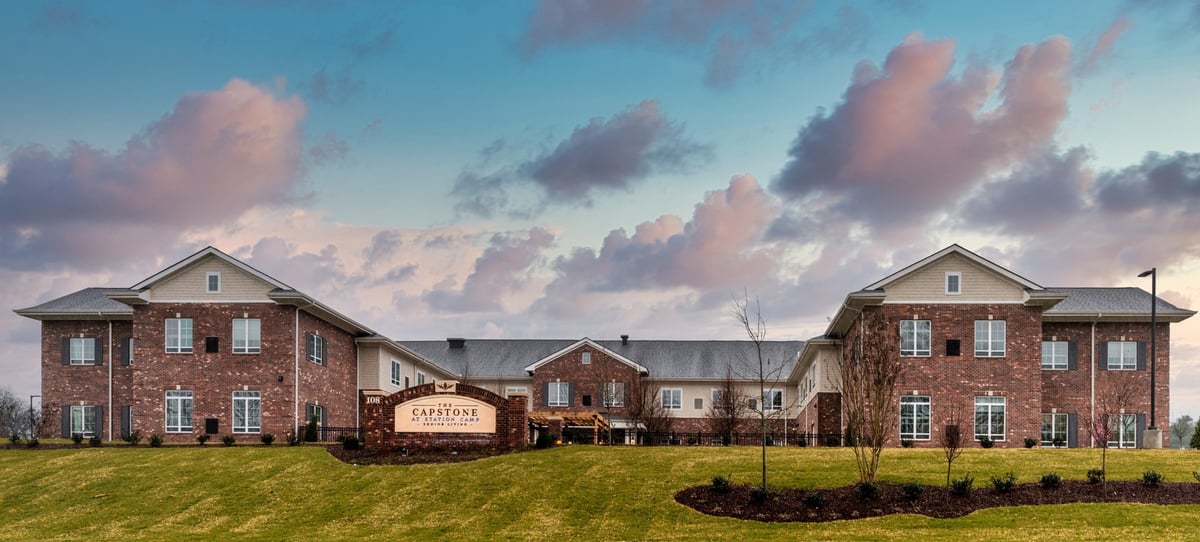
At The Capstone at Station Camp, families can explore Assisted Living and ask about available apartment homes, services, and pricing. Understanding these details helps create a budget that supports both immediate needs and long-term financial goals.
Timing Your Transition Strategically
Timing can influence your available paying for senior living options. Planning before additional support becomes urgent gives families more time to review financing arrangements, evaluate communities, and prepare their property.
If you're considering renting your house, research local demand and allow time for necessary repairs or improvements.
Families planning to sell eventually may also benefit from discussing market conditions with a real estate professional.
The goal isn't necessarily to move as early as possible. It's to make the transition when the financial arrangements and level of support make sense for your situation.
Working With Professional Advisors
Professional guidance can make it easier to balance homeownership with senior living expenses. An elder law attorney can explain estate planning and eligibility considerations, while a financial advisor can compare different payment scenarios.
Tax professionals can clarify the implications of rental income or borrowing against home equity. A real estate professional can also help estimate rental value and ongoing property expenses.
At The Capstone at Station Camp, community team members can explain available floor plans, pricing, and included services, such as chef-prepared meals, housekeeping, and scheduled transportation. These details can help families build a more accurate budget.
Plan Your Next Chapter at The Capstone at Station Camp
You may be able to afford assisted living without selling your house by combining available income, home equity strategies, and other financial resources. The Capstone at Station Camp offers personalized daily support, welcoming apartment homes, chef-prepared dining, and opportunities for social connection. Understanding the costs of these services can help you plan for a comfortable transition while preserving your property.
Schedule a tour of The Capstone at Station Camp today to explore Assisted Living options, review pricing, and discover a community that fits your needs.