.jpg?width=960&length=960&name=best%20protein%20for%20seniors%20(1).jpg)
The best protein for seniors is one that supports muscle strength, daily energy, and long-term health, and most older adults benefit from roughly 1.0-1.2 grams of protein per kilogram of body weight each day. Prioritizing high-quality, easy-to-digest protein, found in sources such as fish and eggs, helps preserve muscle, support recovery, and maintain independence.
Adults naturally lose muscle mass as they grow older, and research from the NIH shows that after age 30, people can lose 3 to 8% percent of muscle mass per decade, with the rate accelerating after 60.
Are you getting enough protein to protect your strength as you age? Today, we're taking a closer look at how protein supports healthy aging, what dietary protein needs look like later in life, and how to choose the best protein for seniors.
It's valuable info for seniors in Gallatin, Tennessee, a growing lakeside city northeast of Nashville known for its historic downtown square, strong community feel, and easy access to outdoor recreation along Old Hickory Lake.
How Much Protein Should a 70-Year-Old Person Have Each Day?
Most experts suggest that adults over 70 aim for about 1.0 to 1.2 grams of protein per kilogram of body weight each day. For example, a 150-pound person may need roughly 70 to 80 grams daily.
That amount supports muscle maintenance in seniors and steady energy. Senior nutrition plans often fall short of that target, which can weaken strength over time.
Aging slows the body's ability to build and repair muscle. Appetite changes and digestion shifts can reduce protein absorption.
Smaller meals spread across the day help the body use protein more efficiently. Consistent intake supports mobility and independence well into later life.
Why Protein Matters More As We Age
Muscle maintenance in seniors depends on regular protein intake paired with movement. Aging reduces the body's ability to build new muscle tissue. Smaller losses add up across the years and affect balance and posture.
Strong muscles protect joints and lower the risk of falls. Senior nutrition plans that include enough protein help slow that decline and support daily activity.
Bone and Immune Support
Protein supports more than muscle. Bones rely on protein structures to stay dense and resilient. Low intake links to weaker bones and slower healing.
The immune system depends on amino acids to build protective cells. A diet that supports healthy aging strengthens both defense and recovery.
Independence and Mobility
Strength supports independence in practical ways. Tasks like climbing stairs, carrying groceries, or standing from a chair require muscle power. Aging well tips often focus on staying active, and protein fuels that ability.
Best Protein for Seniors
Protein quality matters just as much as total intake in later life. Aging bodies don't use protein as efficiently, so choosing the right sources makes a real difference. The best protein for seniors supports strength, digestion, and steady energy.
There are several factors that shape smart protein choices:
- Complete versus incomplete proteins
- Digestibility and amino acids
- Whole foods and supplements
Complete Versus Incomplete Proteins
Complete proteins contain all essential amino acids the body needs. Animal foods like eggs, fish, poultry, and dairy fall into that category. Many plant foods lack one or more amino acids, though combining foods can fill the gap.
Beans paired with grains form a complete protein. Senior nutrition plans often mix animal and plant sources to balance variety and nutrition.
Digestibility and Amino Acids
Digestibility becomes more important with age. Some proteins break down and absorb more easily than others. Leucine stands out as a key amino acid for muscle maintenance in seniors.
Foods rich in leucine include dairy, eggs, and lean meats. Higher-quality protein supports dietary protein needs with smaller portions, which helps people with reduced appetite.
Whole Foods and Supplements
Whole foods provide vitamins and minerals alongside protein. That combination supports healthy aging better than protein alone.
Supplements can help when appetite drops or cooking feels tiring. Protein shakes and powders work best as support rather than replacement. A balanced approach gives the body steady fuel and flexibility.
Barriers Seniors Face With Protein Intake
Appetite often drops with age, which lowers overall food intake. Smaller portions can lead to gaps in dietary protein needs. Medications and changes in taste may reduce interest in food.
Skipping meals becomes more common, especially for people who live alone. Frequent smaller meals can help maintain muscle mass in seniors without overwhelming portions.
Physical Eating Concerns
Dental problems and swallowing issues affect food choices. Tough meats or dry foods may feel difficult to manage.
Softer protein sources like yogurt, eggs, fish, and beans offer safer options. Digestive discomfort can push people away from heavier meals. Gentle textures support healthy aging without sacrificing nutrition.
Frequently Asked Questions
Can Seniors Eat Too Much Protein?
Healthy adults rarely reach harmful protein levels through normal food intake. Concerns about kidney strain mostly apply to people with existing kidney disease.
Older adults with medical conditions should speak with a clinician about safe ranges. For most people, higher dietary protein supports muscle maintenance in seniors without harm.
Are Protein Supplements Safe for Older Adults?
Protein powders and ready-to-drink shakes can support senior nutrition when food intake falls short. Safety depends on product quality and ingredient lists.
Some supplements contain added sugar or stimulants that don't serve older adults well. A simple formula with clear labeling works best. Supplements function as support rather than a replacement for meals.
Does Protein Help With Energy Levels In Seniors?
Protein slows digestion and stabilizes blood sugar. Stable blood sugar supports steady energy and mood.
Meals built around refined carbohydrates can lead to energy crashes. Pairing protein with fiber and healthy fats creates longer-lasting fuel. That pattern supports healthy aging and daily stamina.
Better Senior Health
Protein intake shapes strength, mobility, and independence in later life. Choosing the best protein for seniors supports muscle building, recovery, and steady energy.
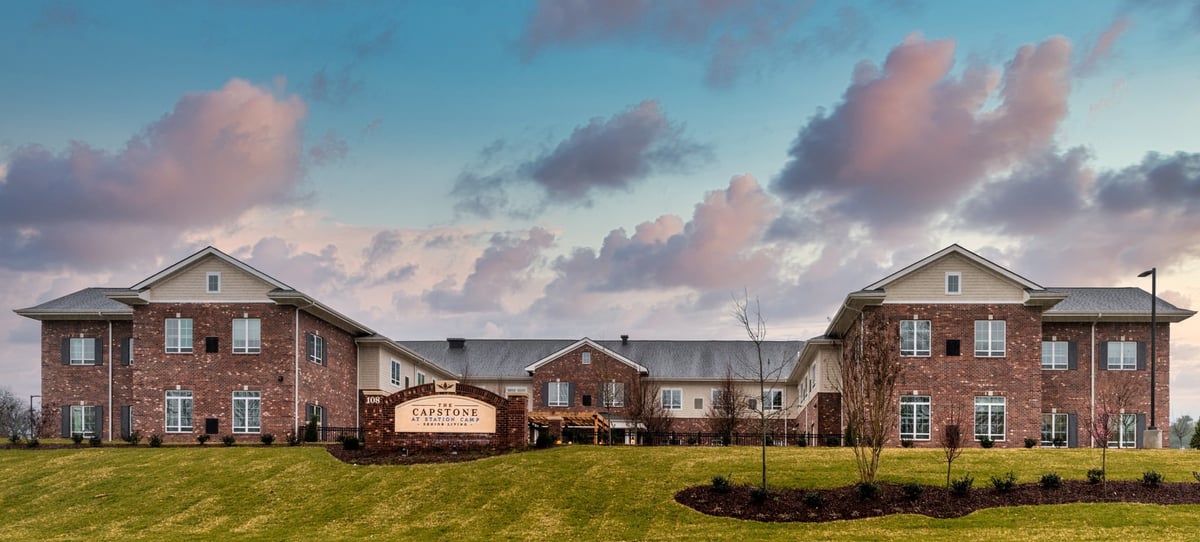
We've created a warm, welcoming community where residents receive attentive, personalized care while enjoying the comfort of home. Our Assisted Living and Memory Care services in Gallatin support independence, safety, and daily wellness. Residents enjoy chef-prepared meals, engaging social programs, housekeeping, and relaxing shared spaces.
Get in touch today to find out how we can help with your loved one's care.