
Summary
Understanding why seniors resist assisted living can help families navigate this important conversation with compassion and patience. Most objections stem from predictable concerns that can be addressed with information and time.
- Fear of losing control and independence is the top concern—residents at quality communities make daily choices about meals, activities, and personal care support
- Emotional attachment to home and decades of memories often outweighs practical considerations; a gradual timeline and bringing cherished belongings eases the transition
- Financial worries frequently disappear when families compare total costs of maintaining a home versus assisted living's bundled expenses, including housing, dining, wellness programs, and care
- Social isolation fears are typically unfounded; community living offers daily connection through dining, events, clubs, and programming that combat the isolation of living alone
- Denial about changing care needs is sometimes the real barrier; framing conversations around quality of life rather than limitations helps parents accept support
Bringing up assisted living with a parent rarely goes the way families hope. Even when the need is obvious, the conversation often stalls, and understanding why seniors resist assisted living is the first step toward a better outcome. Most resistance comes down to a handful of predictable, very human concerns.
Here's what's usually behind the pushback, and how families in Gallatin and across Sumner County can work through each one.
1. Fear of Losing Control Over Daily Life
The most common reason a parent refuses assisted living is the worry that someone else will start making their decisions for them. Many older adults picture rigid schedules and institutional routines, a holdover from outdated ideas about what these communities actually look like.
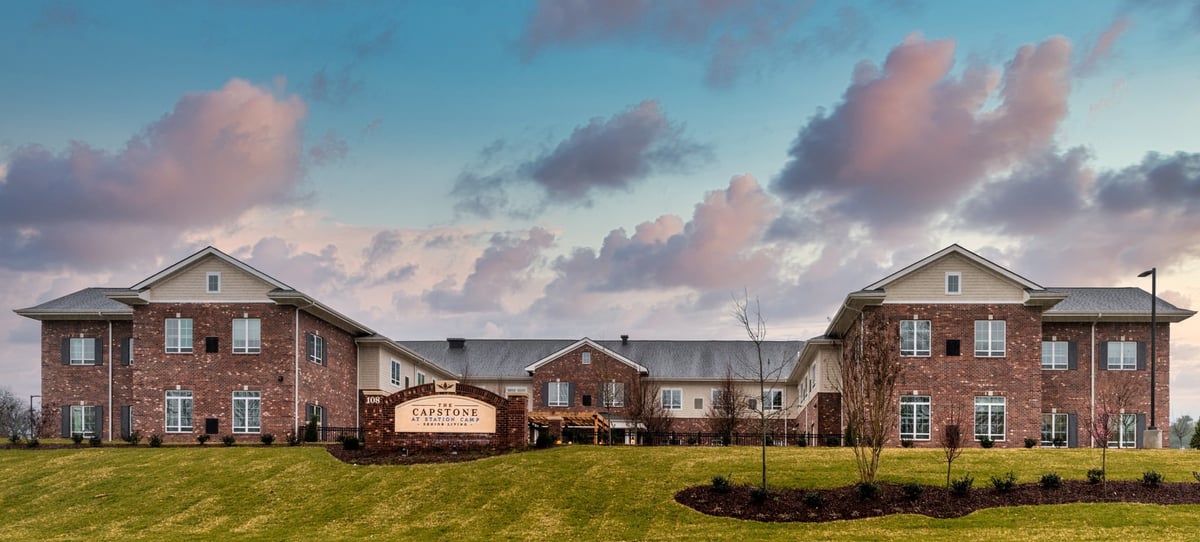
At The Capstone at Station Camp, residents keep deciding what their days look like: which meals to attend, which programs to join, and which daily tasks they'd like a hand with versus which they'd rather manage themselves. Associates are there to support, not take over. If your parent is resistant, touring together and watching residents make these everyday choices for themselves can do more to ease the fear than any conversation.
2. Attachment to Home and Belongings
Decades of memories live in a house, and downsizing can feel like losing a piece of who someone is. This attachment is one of the most common reasons families run into resistance to senior living, and it deserves to be acknowledged rather than brushed past.
A gradual timeline helps. So does knowing what's possible on the other side: apartment homes at The Capstone at Station Camp are meant for favorite furniture, family photos, and the small things that make a space feel like home. The goal isn't to start over. It's to bring the parts that matter most along for the next chapter.
3. Concerns About Affordability
Money worries are real, and they're often based on an incomplete comparison. When families add up home maintenance, utilities, groceries, transportation, and any in-home care already in place, the total frequently lands close to the cost of community living, sometimes higher.
Assisted living folds several expenses into one predictable monthly cost, including:
- Housing and apartment upkeep
- Chef-prepared dining, with accommodations for specific dietary needs
- Wellness and social programming
- Personal care support
The Capstone at Station Camp offers transparent pricing and can walk families through payment options, including long-term care insurance and veterans benefits, so decisions are based on real numbers rather than assumptions.
4. Social Concerns and Misconceptions
Some seniors picture community living as isolating rather than connecting, worried they'll lose touch with friends or struggle to fit in. In practice, it's often the opposite: a parent living alone at home is usually more isolated than a resident surrounded by daily opportunities to connect.
At The Capstone at Station Camp, that looks like restaurant-style dining with neighbors, regular social events, shared-interest clubs, and recreational programming built into the week. A mealtime visit or two is often enough for a hesitant parent to see the atmosphere firsthand and picture themselves fitting in.
5. Denial of Care Needs
Sometimes the hardest barrier isn't the community at all. It's that a parent hasn't yet recognized how much has changed. Missed medications, a harder time keeping up with the house, or unsafe driving are often obvious to adult children long before mom or dad is ready to admit it.
If you're wondering why mom won't move to community living, the honest answer is often that she needs time, not more convincing. Framing the conversation around quality of life rather than limitations tends to land better than a list of concerns. The Capstone at Station Camp welcomes families to talk through these conversations privately and build a plan for approaching resistance with patience.
Convincing Parents to Move Takes Time, Not Pressure
Overcoming assisted living objections rarely happens in a single conversation. It happens gradually, as fears are addressed one at a time and replaced with real information. The Capstone at Station Camp is here to help your family through every step of that process. Schedule a tour today and see firsthand what a higher level of care in a genuinely homey setting looks like.